

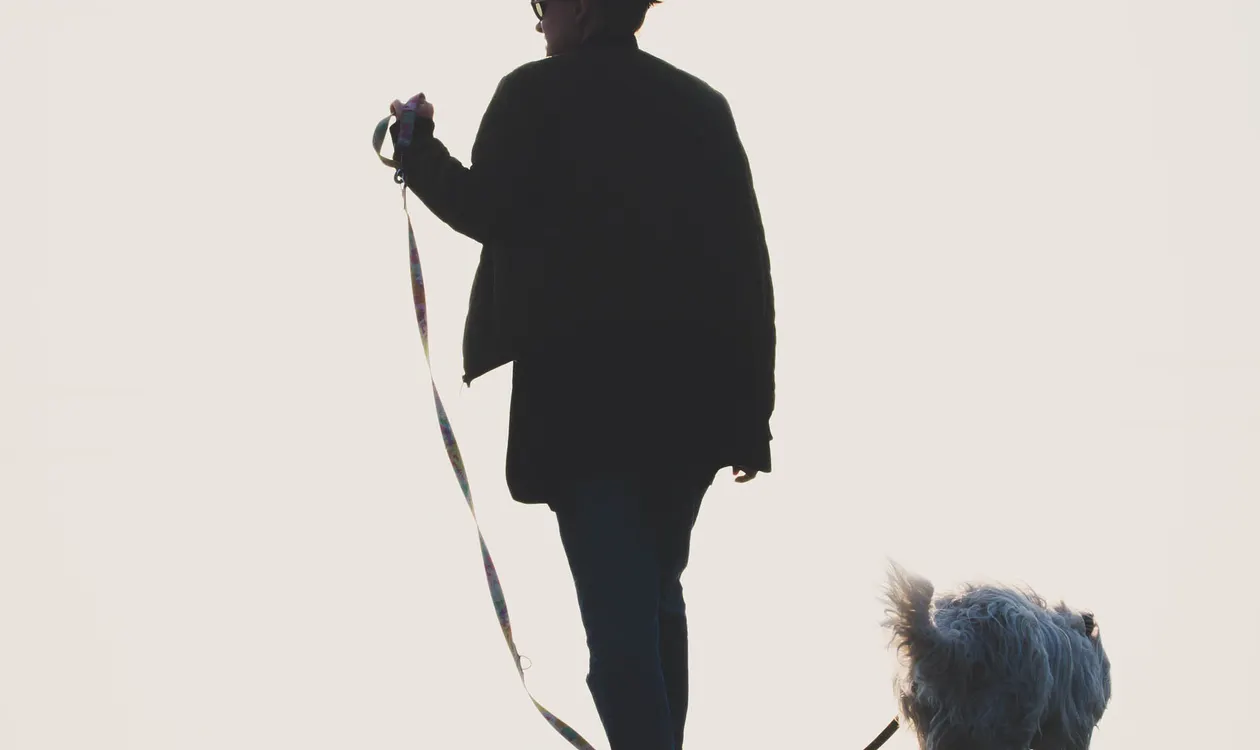
Dogs pull on the lead because it works, they get to their destination faster. The fix is teaching them the opposite: that a tight lead stops all forward progress, while a loose lead keeps things moving. This takes consistency and patience, but the right technique combined with suitable equipment can transform frustrating walks into calm ones.
Why Dogs Pull
Most pulling comes down to simple learning. If a dog pulls and gets closer to something exciting, the pulling has just been rewarded. Excitement before a walk even begins is often the real starting point, with dogs already straining as you reach for the lead. Dogs also have a natural “opposition reflex,” meaning they instinctively pull against pressure on their neck or chest, which is why yanking back only makes pulling worse.
The Core Training Method: Stop and Stand Still
- Start in a quiet area with no distractions
- Allow your dog the full length of the lead and begin walking
- The instant the lead goes tight, stop walking completely and stay still and quiet
- Wait for your dog to turn back towards you or the lead to loosen, then immediately praise and continue walking
- Repeat consistently, every single time the lead tightens, so your dog learns pulling never leads forward
This method takes real patience, and walks will take longer at first. Consistency from everyone who walks the dog is essential, since mixed signals slow progress considerably.
Common Mistakes That Undo Progress
- Yanking the lead back — this triggers the opposition reflex and teaches the dog to pull harder, not less
- Taking a step when the lead is tight — even one step teaches the dog that pulling eventually works
- Inconsistent household rules — if one person allows pulling and another doesn’t, training slows dramatically
- Skipping the exciting pre-walk build-up — a dog that is already overstimulated before leaving the house starts every walk on the back foot
Choosing the Right Equipment
| Equipment | Best For | Notes |
|---|---|---|
| Standard flat collar | Dogs who already walk reasonably well | Not ideal alone for strong pullers, since pressure falls on the throat |
| Front-clip harness | Most pulling dogs | Redirects the dog gently sideways when they pull, discouraging forward momentum |
| Back-clip harness | Calm walkers or very small dogs | Comfortable but can encourage pulling in strong dogs since it doesn’t discourage forward motion |
| Head collar | Very strong or reactive dogs | Offers excellent control but needs careful, gradual introduction so the dog doesn’t find it distressing |
Avoid choke chains and prong collars. These can cause pain and injury, and studies have shown neck pressure from pulling on a collar can risk long-term damage to a dog’s throat.
Practising Around Distractions
Once your dog walks nicely in a quiet space, gradually introduce mild distractions, such as a toy on the ground, before progressing to busier streets and parks. If your dog pulls towards the distraction, stop and wait for them to turn back to you, rewarding the moment they do. Building up slowly prevents the frustration of expecting too much too soon.
How Long Does It Take?
Most dogs show noticeable improvement within a few weeks of consistent daily practice, though full reliability in distracting environments can take a few months. Puppies and newly adopted rescue dogs, who may not have learned leash manners before, often need extra patience during this stage, and pair well with the wider approach in our positive dog training tips guide.
Frequently Asked Questions
Why does my dog only pull towards other dogs?
This usually reflects excitement or, in some cases, frustration at not being able to greet them. The same stop-and-wait method works, though a reactive dog may need extra distance from triggers and, in persistent cases, help from a qualified trainer. This links closely to the confidence-building covered in our dog separation anxiety guide, since anxious dogs often show similar reactivity on walks.
Is a harness better than a collar for a dog that pulls?
For most pulling dogs, yes. A front-clip harness gently redirects the dog rather than putting pressure on a sensitive throat, making training both kinder and more effective.
How long should lead training sessions be?
Short, frequent sessions work better than long ones. Several five to ten minute practice walks throughout the week tend to bring faster progress than one long walk with no consistent training approach.
Key Takeaways
- Pulling happens because it works, so training focuses on removing that reward
- Stopping the instant the lead tightens, every time, is the core of effective training
- A front-clip harness is often the kindest, most effective equipment for persistent pullers
- Consistency from everyone in the household speeds up results significantly
About the Author: This guide was written by the K9 Assistance editorial team, who research UK-based pet care topics to help owners make confident, informed decisions.