

Heatstroke is a genuine emergency that can kill a dog in under an hour, and in the UK around one in seven dogs treated for it by vets do not survive. Early signs include heavy panting, drooling, and tiredness, and quick cooling combined with urgent vet care gives your dog the best chance of recovery. Acting fast, not waiting to see if symptoms pass, is what makes the difference.
Which Dogs Are Most at Risk
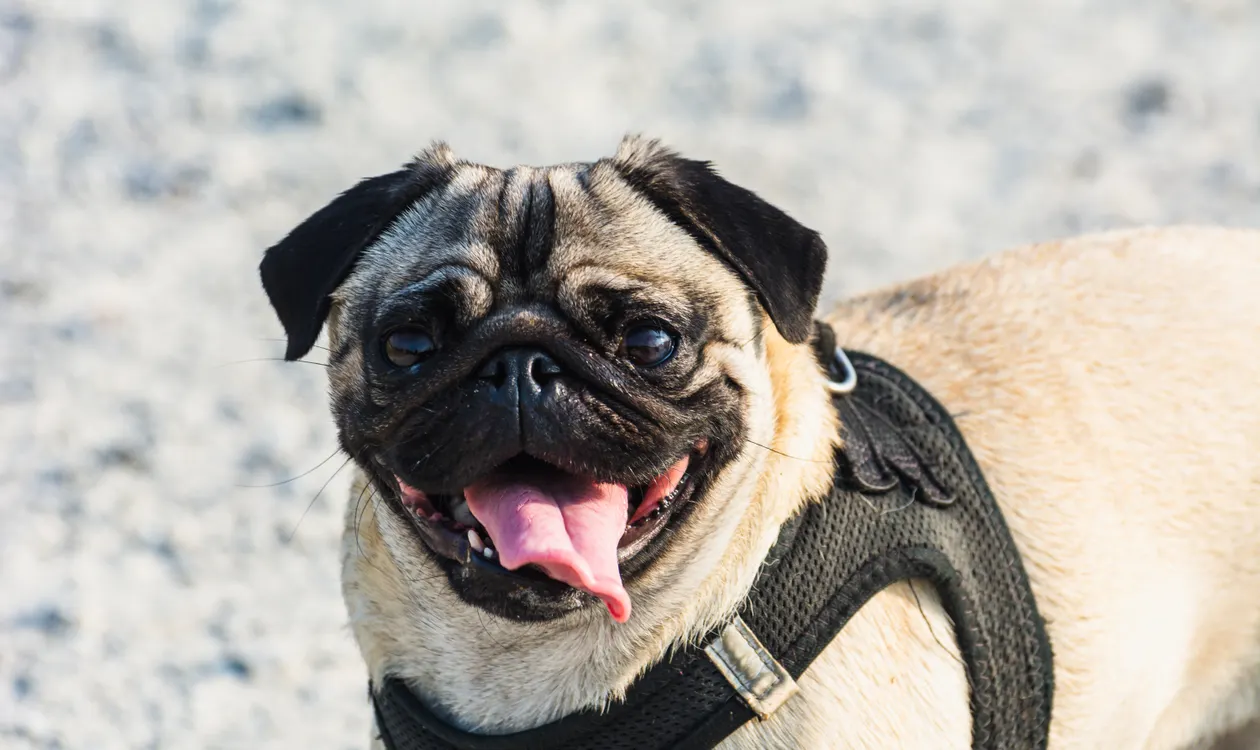
- Flat-faced (brachycephalic) breeds — Bulldogs, Pugs and French Bulldogs struggle to cool efficiently through panting, putting them at very high risk even on mild days
- Overweight dogs — excess weight makes it harder for the body to regulate temperature, another reason our guide to helping an overweight dog lose weight is worth a read
- Very young or senior dogs — both groups regulate body temperature less effectively
- Dogs with thick, heavy coats — extra insulation makes cooling down harder in warm conditions
- Any dog left in a car — car interiors can rise dramatically within minutes, even on a relatively mild day, and even with windows cracked
Early Warning Signs
Recognising these early can prevent a mild case becoming a severe emergency:
- Heavy or excessive panting
- Increased drooling, thicker and stickier than usual
- Restlessness, agitation or seeking shade
- Bright red gums and tongue
- Noisy or laboured breathing
Signs of Severe Heatstroke: Act Immediately
- Weakness, wobbliness or collapse
- Vomiting or diarrhoea, sometimes with blood
- Muscle tremors or seizures
- Loss of consciousness
If you see any of these signs, this is a genuine emergency. Begin cooling immediately and get to a vet as fast as possible, calling ahead so the practice can prepare.
What to Do: Cool First, Transport Second
- Move your dog to shade or a cool area immediately
- Stop all exercise straight away
- Pour cool, not icy, water over their body, focusing on the neck, tummy and inner thighs
- Use a fan or air conditioning alongside wetting the coat for evaporative cooling
- Offer small sips of water if your dog is able to drink safely
- Call your vet while cooling continues, and head to the practice once your dog is cooler
Avoid ice-cold water, since this can reduce blood flow to the skin and actually slow cooling, or cause shivering that generates more heat. Never place damp towels directly over your dog’s body, since this can trap heat rather than release it. Damp towels placed underneath your dog, and re-wetted often, work better.
Why a Vet Visit Is Still Necessary After Cooling
Even if your dog seems to recover once cooled, internal damage isn’t always immediately visible. Heatstroke can affect the kidneys, liver, heart and blood clotting, so a vet check is important even after apparent recovery, to rule out complications that may not show symptoms straight away.
Preventing Heatstroke
- Walk during cooler parts of the day, particularly early morning, during hot weather
- Never leave a dog alone in a car, even briefly or with windows cracked
- Always provide access to shade and fresh water
- Take extra caution with flat-faced, senior, overweight or thick-coated dogs, even on days that don’t feel especially hot
- Consider that walks are not compulsory on very hot days, and a shorter garden play session is a safer alternative
Heatstroke Risk on Ordinary UK Days
Heatstroke isn’t limited to obvious heatwaves. High-risk dogs can overheat on days that feel only mildly warm to people, particularly during exercise or if left in a car. Knowing your own dog’s individual risk factors matters more than watching the thermometer alone.
Frequently Asked Questions
How quickly can a dog develop heatstroke?
Heatstroke can develop within minutes, particularly in high-risk dogs or when left in a hot car, and can become fatal in under an hour without intervention.
Should I use ice water to cool my dog down?
No. Ice-cold water can reduce blood flow to the skin and slow cooling. Cool, not icy, water is more effective and safer.
Do I need to see a vet if my dog recovers after cooling?
Yes. Internal damage from heatstroke isn’t always visible immediately, so a vet check is important even if your dog seems to have recovered.
Are certain breeds more at risk of heatstroke?
Yes, flat-faced breeds such as Bulldogs and Pugs are significantly more prone to heatstroke, since they cool down less efficiently through panting than other breeds.
Key Takeaways
- Heatstroke is a genuine emergency; act immediately rather than waiting to see if signs pass
- Cool first with lukewarm water, then transport to the vet
- A vet check is needed even after apparent recovery, to check for internal damage
- Flat-faced, senior, overweight and thick-coated dogs need extra caution, even on mild days
About the Author: This guide was written by the K9 Assistance editorial team, who research UK-based pet care topics to help owners make confident, informed decisions.