

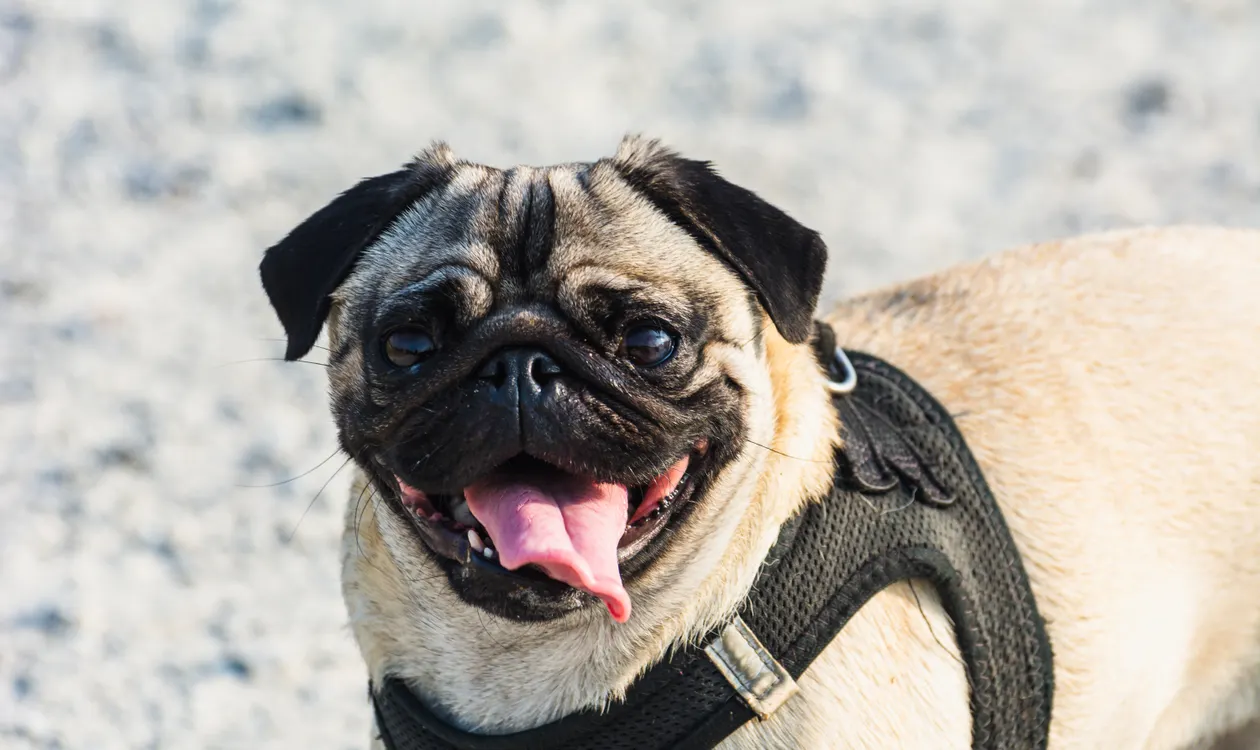
Heatstroke in dogs is a genuine emergency: cool your dog first with room-temperature water, then get to a vet, since acting fast within the first few minutes can be the difference between recovery and death. Around one in seven dogs treated by vets for heatstroke dies, but 98 percent seen early with mild signs survive, which makes recognising the early symptoms genuinely lifesaving.
Why Dogs Overheat So Easily
Unlike humans, dogs can’t sweat through their skin to cool down. They rely mainly on panting, with only limited sweat glands in their paws and nose. This makes them far more vulnerable to overheating than people realise, especially during warm UK spells, since even a relatively mild day can become dangerous during exercise or if a dog is left in a car.
Which Dogs Are Most at Risk
- Flat-faced breeds such as Bulldogs, Pugs and French Bulldogs, since restricted airways make panting far less effective. British Bulldogs are around 14 times more likely to develop heatstroke than Labradors
- Overweight dogs, since excess weight makes it harder for the body to release heat
- Very young or senior dogs, whose temperature regulation is less efficient
- Dogs with thick or heavy coats
- Dogs left in cars, even briefly, since car interiors can rise around 20 degrees Celsius above outside temperature within an hour
Early Signs of Heatstroke
Catching heatstroke at the earliest stage dramatically improves your dog’s chances.
| Stage | Signs |
|---|---|
| Early warning signs | Excessive panting, restlessness, seeking shade, increased drooling |
| Progressing | Noisy or laboured breathing, red gums and tongue, rapid heart rate, weakness |
| Severe, emergency | Vomiting, diarrhoea (sometimes bloody), muscle tremors, collapse, seizures, unconsciousness |
If you notice any early signs, act immediately rather than waiting to see if things worsen. Heatstroke can escalate within minutes.
What to Do Immediately: Cool First, Transport Second
- Move your dog to shade or a cool area straight away
- Stop all exercise immediately
- Pour cool, not icy, water over their body, focusing on the neck, tummy and inner thighs
- Use a fan or air conditioning to increase evaporative cooling if available
- Offer small sips of water, but don’t force your dog to drink
- Call your vet immediately while cooling, and let them know you’re on your way
Avoid ice-cold water, which can cause blood vessels near the skin to constrict, actually slowing heat loss and risking shivering, which generates more heat. Never place a damp towel directly over your dog’s body, since this can trap heat rather than releasing it; placing one underneath them instead works better, refreshed regularly.
Why a Vet Visit Is Still Essential
Even if your dog seems to recover once cooled, internal damage isn’t always immediately visible. Severe heatstroke can affect the kidneys, liver, heart and blood clotting, sometimes with delayed complications. Always see a vet after any suspected heatstroke episode, even a mild one.
Preventing Heatstroke
- Walk during cooler parts of the day, typically early morning or late evening in summer
- Never leave a dog in a car, even briefly or with windows cracked
- Ensure constant access to fresh water and shade, both at home and out on walks
- Reduce exercise intensity on warm or humid days, especially for at-risk breeds
- Consider a cooling mat or vest for particularly heat-sensitive dogs
Overweight dogs are at notably higher risk of heatstroke, so if this applies to your dog, our guide to helping an overweight dog lose weight is a worthwhile next step alongside summer precautions.
Frequently Asked Questions
What temperature is dangerous for dogs?
Heatstroke risk increases significantly once a dog’s body temperature rises above around 39.5 to 40 degrees Celsius, though environmental temperature alone isn’t the only factor, since humidity, exercise and breed all play a role.
Can heatstroke happen even on a mild day?
Yes, particularly for flat-faced or at-risk breeds, or if a dog is left in a car, where temperatures rise rapidly regardless of how mild it feels outside.
Should I use ice water to cool my dog down?
No. Ice-cold water can be counterproductive, constricting blood vessels and potentially trapping heat. Cool, room-temperature water is the safer, more effective choice.
How quickly can heatstroke become fatal?
Heatstroke can progress from mild symptoms to a life-threatening emergency within under an hour in severe cases, which is why immediate action matters so much.
Key Takeaways
- Cool your dog first with room-temperature water, then get to a vet
- Flat-faced, overweight, senior and thick-coated dogs are at higher risk
- Never leave a dog in a car, even briefly, even on a mild day
- Always see a vet after suspected heatstroke, even if your dog seems to recover
About the Author: This guide was written by the K9 Assistance editorial team, who research UK-based pet care topics to help owners make confident, informed decisions.