

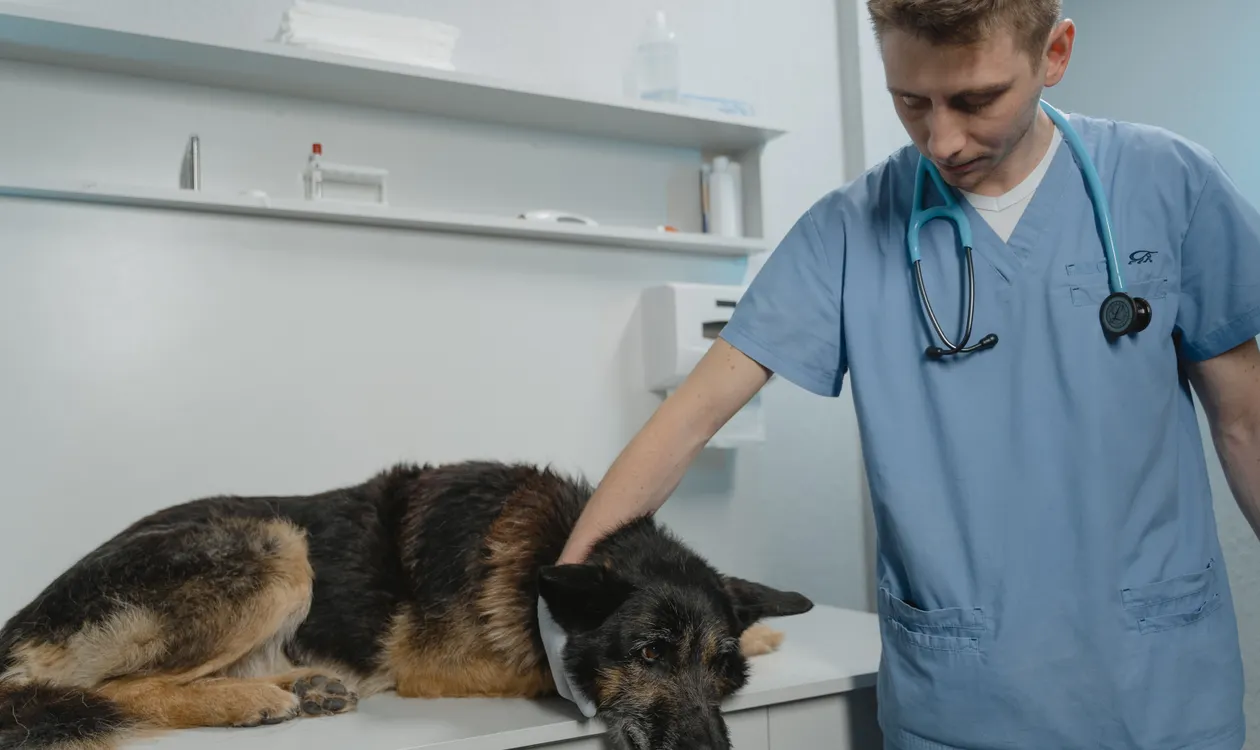
A harsh cough that starts out of nowhere worries every dog owner. It often sounds as if the dog has something stuck in its throat, and it comes in bouts, worse at night or after excitement. In most cases the cause is kennel cough, a common and highly contagious respiratory infection. Most healthy dogs recover within a few weeks, but the cough spreads fast wherever dogs meet, so knowing the signs, the timeline and when to call the vet matters.
What Is Kennel Cough?
Kennel cough is the everyday name for canine infectious tracheobronchitis, also called canine infectious respiratory disease complex (CIRDC). It is not one single germ. It is an infection of the windpipe and upper airways caused by a mix of bacteria and viruses, most often Bordetella bronchiseptica with viruses such as canine parainfluenza and canine adenovirus.
The name comes from how fast it spreads in kennels, but any place dogs gather will do. In a healthy adult dog it is usually mild and self limiting. Puppies, seniors and dogs with an existing health problem are most likely to become seriously unwell, sometimes developing pneumonia.
What Does Kennel Cough Sound Like?
The most obvious sign is a forceful, dry, hacking cough. Owners describe it as a honking sound, and Blue Cross notes that it can sound exactly like the dog has something stuck in its throat. The cough comes in fits and may end with a gag or a retch. It gets worse when the dog pulls on the lead, gets excited or lies down.
In a mild case the cough may be the only symptom. Some dogs develop extra symptoms, and those are the ones to watch.
| Symptom | What it looks like | How common |
|---|---|---|
| Dry hacking cough | Forceful cough in bouts, may end with a gag | Almost always |
| Sneezing, runny nose | Clear nasal discharge, sneezing | Common |
| Difficulty breathing | Fast or laboured breathing | Rare, urgent |
A cough alone does not prove kennel cough. Heart disease, a foreign object, allergies and other infections can all cause coughing. If the cough is severe or has lasted more than a few days, the PDSA advises a vet check.
How Do Dogs Catch Kennel Cough?
Kennel cough spreads in three ways: through the air in droplets when an infected dog coughs or sneezes, by direct nose to nose contact, and from contaminated surfaces such as shared water bowls, toys, bedding and fences. The bacteria can survive on surfaces for up to 48 hours, so a dog can pick it up long after the coughing dog has left. You can carry the germs home on your hands, shoes or clothing.
Dogs are contagious before they show signs, which is why outbreaks move fast through a training class or a kennel. Some dogs carry the infection without ever coughing, and still pass it on.
How Long Does Kennel Cough Last?
The timeline catches many owners out: the dog can look fine for days after catching it, then cough for weeks, then keep spreading it after the cough stops. The Royal Veterinary College gives an incubation period of 2 to 14 days, the PDSA gives 3 to 14 days. Most mild cases clear up within 1 to 3 weeks, although the cough can linger up to 6 weeks.
| Stage | Timing |
|---|---|
| Exposure | Day 0, often at the park, kennels or class |
| Incubation | 2 to 14 days, no signs, already contagious |
| Coughing | Usually 1 to 3 weeks, up to 6 weeks |
| Still contagious | Keep away from other dogs 2 to 3 weeks after symptoms |
That last row is the one owners miss. A dog that stopped coughing last week can still shed germs, so isolation runs well past the last cough. If unsure when it is safe to mix again, ask your vet.
Home Care: Looking After a Dog With Kennel Cough
Most dogs with kennel cough can be treated at home without medication, according to the PDSA, and the job is mostly rest, fluids and keeping the airways calm. Keep your dog warm and dry, let it sleep, and offer fresh water at all times. Switch to wet food or soak dry food in warm water, because a sore throat makes kibble hard to swallow.
Swap the collar for a harness while your dog is coughing. A collar presses on the windpipe every time the dog pulls and triggers more coughing, while a harness spreads the pressure across the chest. Our guide on how to stop a dog pulling on the lead explains loose lead walking. Keep walks short and calm.
Rest does not mean boredom. A dog stuck indoors for three weeks will get restless, which leads to barking and chewing. Our dog enrichment ideas guide has low energy indoor games, such as snuffle mats and scent games, that keep a resting dog busy. Clean bowls daily and wash bedding hot, because the germs survive on surfaces for up to two days.
Never give your dog human cough medicine, since many human remedies contain xylitol, which is toxic to dogs. Only use what your vet prescribes.
When to Call the Vet
Call your vet as soon as you suspect kennel cough. The vet can confirm whether it is kennel cough or something else, and how long to isolate your dog. Tell the practice in advance that your dog is coughing, and wait outside or in the car until called in, so you do not spread the infection in the waiting room.
Get urgent help for difficulty breathing, blue or very pale gums, no eating or drinking for more than a day, extreme tiredness or collapse, or a cough getting worse after a week. Puppies under six months, dogs over eight, and dogs with heart disease or breathing problems should be seen sooner, because they are most likely to develop pneumonia. Our senior dog care guide explains how to spot when an older dog is struggling.
Treatment: What Will the Vet Do?
The vet will usually diagnose kennel cough from the sound of the cough and the recent history, such as a stay in kennels. X-rays or blood tests are not usually needed unless the vet suspects pneumonia. A dog that is bright, eating and only coughing will usually go home with rest and no medication.
If the cough is severe, the vet may prescribe anti-inflammatories to reduce airway swelling and bring down a temperature, and sometimes a cough suppressant to help the dog rest at night. Antibiotics are rarely needed, because most cases are caused by viruses. The PDSA notes vets only prescribe them when the dog is very young, old or otherwise unwell. If pneumonia develops, the dog will need antibiotics and sometimes a clinic stay.
The Kennel Cough Vaccine: Types, Costs and Timing
Vaccination is the best way to prevent kennel cough, and it matters most for dogs that mix with others or spend time in kennels. The vaccine targets Bordetella bronchiseptica, the most common cause, and some versions also cover parainfluenza virus. It does not cover every germ, so a vaccinated dog can still catch a milder version.
The intranasal version, drops squirted up the nose, is the most common in the UK and the fastest to work. The oral version is swallowed, and the injectable version is given as a jab. All three need repeating every 12 months.
| Vaccine type | How it is given | How fast it works | Typical UK cost |
|---|---|---|---|
| Intranasal (Nobivac KC) | Nose drops | About 4 days | GBP 25 to GBP 35 |
| Oral | Liquid by mouth | About 4 days | As intranasal |
| Injectable (Respira) | Jab, two doses | Slower | GBP 35 to GBP 40 a dose |
Across UK practices, expect roughly GBP 25 to GBP 70. ManyPets reported an average UK booster cost of about GBP 49 in November 2023, and many practices discount it alongside the annual booster. The nasal version takes about four days to work, so do not leave it until the day before boarding. Our dog vaccination schedule guide shows how it fits in with the core jabs.
Kennel Cough and Christmas Boarding: Plan Ahead
November is the month to sort this out. Christmas is the busiest boarding period of the year, and most reputable kennels and daycare centres require proof of kennel cough vaccination. Many also ask for the vaccine to have been given at least a week or two before the stay, so check your kennel’s rule now rather than in December.
If your dog is due a booster, book it this month, so there is time for the vaccine to work and for mild side effects, such as a day of sneezing, to settle. Keep the certificate safe for drop off. If your dog is coughing in the week before a booked stay, tell the kennel straight away.
The Bottom Line
Kennel cough sounds alarming, but most healthy dogs get through it with rest, fluids and a few weeks away from other dogs. Learn the sound, keep the dog isolated for the full period the PDSA advises, use a harness instead of a collar, and call the vet if the dog stops eating or struggles to breathe. For prevention, the yearly vaccine is cheap next to a vet bill and a ruined Christmas booking, so get the jab done in November if your dog is booked into kennels.