

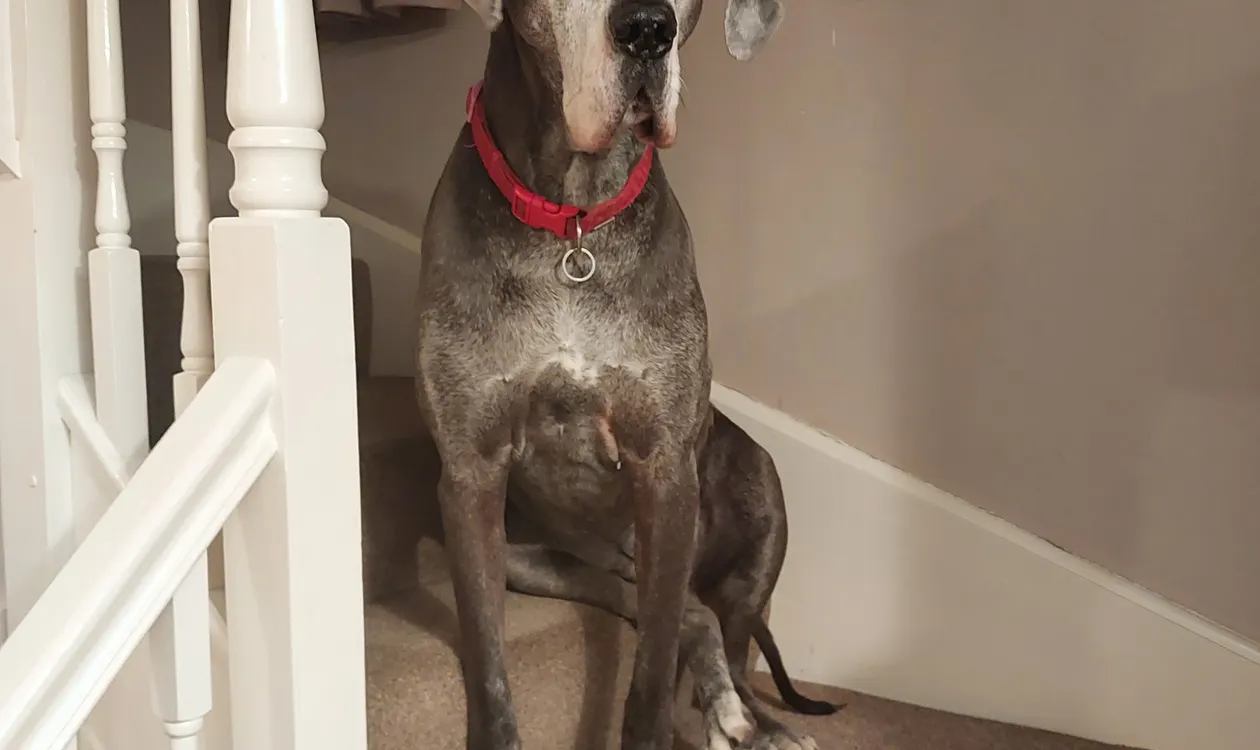
A dog is usually considered senior from around age six to seven for large breeds, and eight to ten for smaller breeds. Senior dog care means adjusting diet, exercise and home comfort while watching closely for signs of pain, cognitive decline or illness that owners sometimes mistake for normal ageing. With the right routine and regular vet checks, most older dogs enjoy many happy, comfortable years.
When Is a Dog Considered Senior?
There is no single age that applies to every dog. Breed size is the biggest factor, since larger dogs tend to age faster and live shorter lives than smaller breeds.
| Breed Size | Typical Senior Age | Example Breeds |
|---|---|---|
| Giant | 5 to 6 years | Great Dane, Mastiff |
| Large | 6 to 7 years | Labrador, German Shepherd |
| Medium | 7 to 9 years | Cocker Spaniel, Bulldog |
| Small | 9 to 12 years | Jack Russell, Chihuahua |
These ranges are a guide, not a rule. Some dogs show ageing signs earlier or later, so always be led by your individual dog rather than their birthday.
Physical Signs of Ageing
- Greying fur, particularly around the muzzle and eyes
- A blue tint developing in the eyes
- Stiffness, especially first thing in the morning or after rest
- Weight change, either gain from reduced activity or loss from illness
- A duller or less elastic coat
- New lumps, which are often harmless fatty lipomas but should always be checked by a vet
Behavioural and Cognitive Changes
Ageing affects the mind as well as the body. Some dogs become quieter and more settled, while others become restless, clingy or easily startled, particularly if hearing or eyesight has declined. Watch for:
- Disrupted sleep or restlessness at night
- Increased disorientation, such as getting stuck in corners or staring blankly
- Reduced response to their name, which may be hearing loss rather than ignoring you
- Withdrawal from affection, or increased clinginess
- Bumping into familiar furniture, which can suggest vision changes
These changes are not always “just old age”. Pain, dental disease or an underlying medical condition can look identical to normal ageing, so always mention behavioural changes to your vet rather than assuming they are unavoidable.
Nutrition for Senior Dogs
Older dogs are usually less active and have a slower metabolism, so calorie needs typically drop. A dedicated senior dog food, lower in calories but with high quality, easy-to-digest protein, helps maintain a healthy weight and supports joint health. Speak to your vet before changing your dog’s diet, especially if they have an existing health condition, and always transition food gradually to avoid stomach upset. For general nutrition guidance across all life stages, see our diet and health tips guide.
Exercise and Mobility Support
- Shorter, more frequent walks often suit older joints better than one long walk
- Non-slip rugs or mats on hard flooring reduce the risk of slips for stiff joints
- A ramp or steps to help access the car, bed or sofa protects ageing joints from jumping strain
- A supportive orthopaedic bed can ease pressure on joints during rest
- Keep exercise consistent rather than doing one very active day followed by days of rest
Dental and Preventative Care
Older dogs are more prone to gum disease and dental pain, which can quietly affect appetite and mood. Regular dental checks, brushing where possible, and vet-approved dental chews all help. Routine senior health checks, often including blood work, allow your vet to catch conditions such as kidney disease or arthritis early, when they are easier to manage.
Home Comfort Checklist for Senior Dogs
- Add non-slip flooring or rugs on stairs and hard floors
- Raise food and water bowls slightly to ease neck strain
- Keep a consistent routine, since senior dogs often cope less well with sudden change
- Provide a warm, draught-free sleeping area, particularly in winter
- Review pet insurance cover, since older dogs are statistically more likely to need veterinary treatment. Our pet insurance guide explains what to look for as your dog ages
Common Health Conditions in Senior Dogs
Beyond general ageing, two conditions are particularly common in older dogs and worth knowing about. Our guides on treating joint pain in dogs and kidney problems in dogs cover the signs to watch for and how these conditions are typically managed.
Frequently Asked Questions
At what age is a dog considered a senior?
It depends on breed size. Giant and large breeds are often considered senior from around five to seven years, while small breeds may not reach senior age until nine to twelve years.
How can I tell if my old dog is in pain?
Look for stiffness, reluctance to jump or climb stairs, changes in posture, reduced appetite, or withdrawal from normal activities. If in doubt, a vet check is always worthwhile, since dogs are skilled at masking discomfort.
Do senior dogs need less exercise?
Most need less intense exercise, but regular gentle movement remains important for joint health and mental wellbeing. Shorter, more frequent walks usually work better than one long outing.
What are the signs of cognitive decline in older dogs?
Disorientation, disrupted sleep patterns, reduced responsiveness, and changes in house training can all indicate cognitive decline. A vet can assess whether this is age-related or linked to another condition.
Key Takeaways
- Senior age depends on breed size, not a fixed number
- Watch for both physical and behavioural signs of ageing
- Adjust diet and exercise gradually to match changing needs
- Never assume a change is “just old age” without ruling out a medical cause
About the Author: This guide was written by the K9 Assistance editorial team, who research and review UK-based pet care, training and wellbeing topics to help owners make confident, informed decisions for their dogs.