

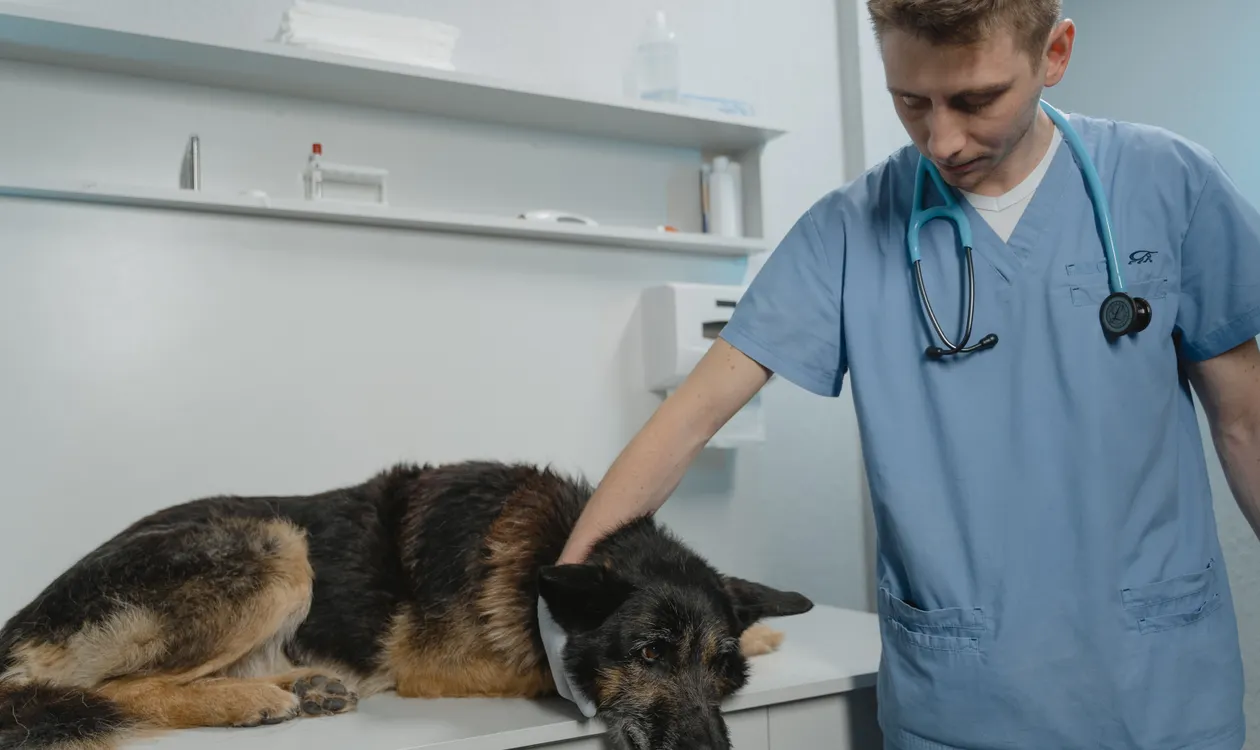
Worms are one of the most common health problems in British dogs. A dog can carry them for weeks without showing any sign. Puppies are the most vulnerable, because many are born with roundworm already on board. Adult dogs pick worms up from soil, raw meat, fleas, slugs and other dogs’ droppings.
The good news is that worming a dog is cheap, simple and routine. A tablet every few months, given on schedule, stops a small problem turning into a serious one. This guide covers the worms found in the UK, the signs, how often to worm, what it costs, and when to see a vet.
Types of Worms That Affect Dogs in the UK
Roundworm
Roundworm is the most common worm in UK dogs. The adults look like strands of cooked spaghetti and can appear in the stool, or in vomit if the burden is heavy. Puppies often arrive already infected, because larvae cross the placenta and pass through the mother’s milk. It causes the classic pot-bellied puppy: a swollen tummy and slow growth.
Tapeworm
Tapeworm is long and flat and rarely passes whole, so owners usually spot the segments: grains of rice stuck to the fur around the dog’s bottom or left in bedding. Dogs catch it by swallowing an infected flea while grooming, which is why flea and tick prevention and worming go hand in hand.
Hookworm and Whipworm
Hookworms are small but do a disproportionate amount of damage. They attach to the gut wall and feed on blood, which can lead to anaemia, and in a young puppy a heavy burden can be fatal. Whipworms live in the large intestine and cause weight loss and persistent diarrhoea, often with fresh blood.
Lungworm
Lungworm is different. The adult worms live in the heart and the blood vessels of the lungs rather than the gut. Dogs catch it by eating slugs or snails, or licking a slime trail on grass, a toy or a water bowl left outside overnight. Untreated, it can cause coughing, bleeding that will not stop and sudden collapse. It is now widespread across much of southern England and Wales. Heartworm is not endemic in the UK; it appears in dogs that have travelled from countries such as Spain and Romania.
| Worm type | Where it lives | How dogs catch it | Most obvious sign |
|---|---|---|---|
| Roundworm | Intestines | From mother, or soil | Spaghetti-like worms |
| Tapeworm | Intestines | Infected flea, raw meat | Rice-like segments |
| Hookworm | Intestines | Contaminated soil | Anaemia, pale gums |
| Whipworm | Large intestine | Contaminated soil | Bloody diarrhoea |
| Lungworm | Heart and lungs | Slugs and slime trails | Coughing, bruising |
Signs Your Dog Has Worms
Many adult dogs show nothing at all.
Worms in the stool or vomit. They are usually alive and moving.
Diarrhoea or vomiting. Worms irritate the gut lining, so loose stools are a common sign, sometimes with mucus or blood. Our guide to dog diarrhoea explains when loose stools need a vet, and the dog being sick guide explains what vomit colour can mean.
Weight loss despite a good appetite. The parasites take nutrients first, so some dogs go off food while others seem permanently hungry and still lose weight.
A pot belly and dull coat. Most obvious in young puppies.
Scooting along the floor. Dragging the bottom is caused by irritation around the anus, often from tapeworm segments.
Coughing or breathing changes. Lungworm migrates through the heart and lungs, and roundworm larvae pass through the lungs too.
Pale gums, weakness and lethargy. These point to anaemia from blood loss, most often hookworm.
How Often Should You Worm Your Dog?
There is no single schedule for every dog. Age matters most, then lifestyle: a city dog on pavements needs less frequent treatment than a spaniel that hunts and scavenges.
| Dog | How often | Notes |
|---|---|---|
| Puppies, 2 to 12 weeks | Every 2 to 3 weeks | Start at 2 weeks of age |
| Puppies, 12 weeks to 6 months | Monthly | Then move to the adult schedule |
| Adult dogs, low risk | Every 3 months | Pavement walks, no scavenging |
| Adult dogs, high risk | Every 1 to 2 months | Scavengers, hunters, raw fed dogs |
| Lungworm prevention | Monthly, all year | Prescription product only |
Worming medication kills the worms present at the time, but it does not prevent reinfection, so the schedule has to be repeated. Lungworm prevention is monthly and year-round, because slugs and snails are active for most of the year in the UK’s mild climate.
Treatment and Costs
In most cases a single dose does the job. Tablets are the most common form, and many are flavoured so dogs take them as a treat. Spot-on liquids and pastes suit dogs that refuse tablets. Most wormers start working within hours, and an infestation usually clears within a few days.
Over-the-counter wormers can work against common intestinal worms, but not every product covers every parasite. Dose is based on weight, so an underdosed dog may be left with a burden you think has been treated. Prescription products cover a wider range, including lungworm. If you buy over the counter, check which worms the packet covers and weigh your dog first.
Worming is one of the cheapest parts of dog ownership. A single over-the-counter tablet typically costs £3 to £5, and even a large dog rarely costs more than £10 to £12 per dose. Subscription wormers start from around £4.50 a month. A vet consultation for worming, including the examination and medication, usually costs £25 to £50. Many practices include worming in a monthly pet health plan for £10 to £15 a month, which also covers flea treatment. Lungworm tests, if needed, add roughly £40 to £80.
How to Give a Worming Tablet
Weigh your dog first and give the dose for that weight. Hide the tablet in a small piece of strong-smelling food, such as cheese or pate: a plain piece first, then the piece with the tablet, then another plain piece straight after. If your dog spits it out, try a pill pocket or a dab of peanut butter, and check it contains no xylitol, which is toxic to dogs. Give the tablet after a meal. Vomiting it back up within an hour means the dose may not have worked, so call your vet rather than giving a second dose yourself.
Can Humans Catch Worms From Dogs?
Yes, though the risk is low with regular prevention and ordinary hygiene. Roundworm is the main concern, and children are most at risk through hand-to-mouth contact with contaminated soil. Pick up droppings promptly and wash hands after handling soil or stool. If anyone in the household develops an unexplained rash or stomach upset, mention the dog to your GP.
Preventing Worms
Routine worming does the heavy lifting, but a few habits reduce the risk between doses. Pick up droppings from the garden the same day. Keep flea prevention up to date, because fleas carry tapeworm. Bring water bowls and toys inside overnight so slugs cannot leave slime trails on them. Discourage hunting and scavenging, and think carefully before feeding raw meat. Puppies should be wormed from two weeks of age, alongside the puppy vaccination schedule.
When to See a Vet Straight Away
Most worm cases can wait for a normal appointment. Some signs cannot. Contact your vet the same day, or an emergency vet out of hours, if your dog shows pale gums, lethargy or collapse; bloody diarrhoea or vomiting that will not stop; a persistent cough or difficulty breathing; unexplained bruising or bleeding; or a puppy under 12 weeks old that is vomiting and refusing food.
Do not diagnose the worm type yourself from a photo online, and do not give a wormer meant for another animal. A cat wormer or a leftover tablet from a different dog can be the wrong drug or the wrong dose. Take a fresh stool sample with you if you can, in a sealed bag.
Frequently Asked Questions
How often should I worm my dog?
Most adult dogs need worming every three months. Puppies need it every two to three weeks until 12 weeks old, then monthly until six months. High-risk dogs may need it every one to two months, and lungworm prevention is monthly all year round.
What do worms look like in dog poo?
Roundworms look like strands of spaghetti and tapeworm segments look like grains of rice. Hookworms and lungworm are too small to spot without a test.
Can I worm my dog at home?
Yes, for routine intestinal worms, using a product that covers the right parasites at the correct dose for your dog’s weight. Lungworm prevention needs a prescription product. If your dog is unwell or pregnant, speak to your vet first.
The Bottom Line
Worms are a normal part of dog ownership in the UK, not a sign of bad care. A puppy wormed from two weeks old, an adult wormed every three months, and monthly lungworm prevention for dogs at risk, will cover almost every situation. Put the dates in your calendar, and call your vet the same day for pale gums, bloody diarrhoea or breathing problems.
Related reading
Dog Allergies UK: Symptoms, Causes and Treatment
Dog Dental Care UK: Clean Teeth, Healthy Gums
Puppy Teething Symptoms: UK Timeline Guide
Diet and Health Tips for Your Pets