

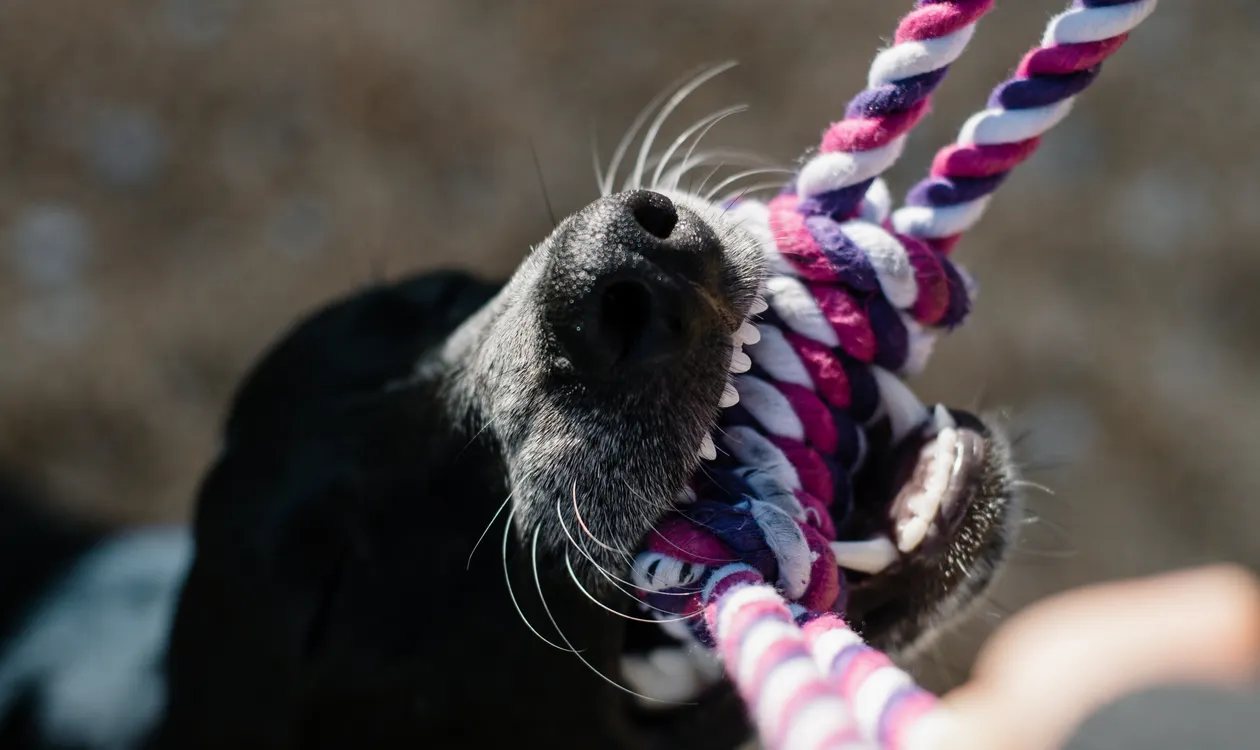
Dog enrichment means giving your dog activities that satisfy natural instincts such as sniffing, foraging, chewing and problem-solving. It goes beyond a daily walk and helps prevent boredom, destructive behaviour and restlessness. The best enrichment plans mix scent work, physical challenges, puzzles and social time, matched to your dog’s age and energy level.
Most UK dog owners focus on physical exercise and forget that a tired body does not always mean a settled mind. A dog that paces, chews furniture or barks at nothing is often under-stimulated rather than simply naughty. Enrichment fixes that gap.
What Is Dog Enrichment and Why Does It Matter?
Enrichment is any activity that lets your dog express natural behaviours in a safe, controlled way. Studies referenced by UK welfare charities suggest that enrichment can increase optimism and confidence in dogs, alongside reducing frustration-based habits such as destructive chewing.
Signs your dog may need more enrichment include restlessness, excessive barking, pacing, difficulty settling and hyperactivity indoors. If any of this sounds familiar, our guide to dog separation anxiety covers related signs worth ruling out too.
The Four Types of Dog Enrichment
A well-rounded enrichment plan touches all four categories across the week, rather than repeating the same toy every day.
| Category | What It Involves | Example Activities | Difficulty | Time Needed |
|---|---|---|---|---|
| Scent (nosework) | Uses your dog’s sense of smell to search and forage | Snuffle mats, hidden treat trails, sniff walks | Easy | 10 to 20 minutes |
| Physical | Controlled physical challenges beyond walking | Agility obstacles, tug games, flirt pole | Moderate | 15 to 30 minutes |
| Problem-solving | Mental puzzles that reward persistence | Puzzle feeders, muffin tin games, treat-dispensing toys | Moderate | 10 to 15 minutes |
| Social and sensory | Exposure to new sights, sounds, textures and company | New walking routes, calm dog meetups, novel surfaces | Easy to Moderate | Variable |
Budget-Friendly DIY Enrichment Ideas
You do not need to spend a lot of money to enrich your dog’s life. Many of the most effective activities use items you already have at home.
The muffin tin game
Place a treat in each cup of a muffin tin, then cover each one with a tennis ball. Your dog has to work out how to remove each ball to reach the treats underneath. This slows down fast eaters and builds problem-solving skill.
Frozen treat blocks
Freeze treats, a little wet food or diluted low-salt broth inside a container of water. On warmer days this gives your dog a long-lasting, cooling challenge.
Cardboard box search
Hide treats inside a few cardboard boxes stuffed with scrunched paper. Let your dog dig them out under supervision. Always remove small parts such as tape or staples first.
Snuffle towel
Scatter treats across a towel, then roll or fold it loosely so your dog has to nose through the folds to find them. This is an easy indoor option for rainy days.
A Simple Weekly Enrichment Schedule
Rotating activities keeps your dog genuinely engaged rather than bored of the same routine.
- Monday: Snuffle mat or towel search (scent)
- Tuesday: Puzzle feeder at mealtime (problem-solving)
- Wednesday: New walking route or sniff walk (social/sensory)
- Thursday: Frozen treat block (problem-solving/cooling)
- Friday: Tug or flirt pole session (physical)
- Saturday: Hidden treat trail around the garden (scent)
- Sunday: Rest day with a familiar chew toy
Enrichment for Puppies vs Adult and Senior Dogs
Puppies tire quickly and should not be given the same intensity of physical enrichment as adult dogs. Short, low-pressure scent games work well while puppies are still developing. Senior dogs benefit from gentler mental stimulation, since ageing joints may limit physical activity, but their minds still need regular engagement.
Making Your Home Enrichment-Friendly
If your garden is part of your dog’s enrichment routine, easy independent access can help. Our guide to pet doors covers what to consider if you are thinking of adding one.
Safety Tips for Enrichment Activities
- Always supervise play, especially with small parts, plastic or fabric toys
- Choose non-toxic materials and remove any small pieces your dog could swallow
- Replace worn or damaged DIY toys promptly
- Match difficulty to your dog’s size, age and experience level
- Introduce new activities gradually rather than all at once
Frequently Asked Questions
How much enrichment does a dog need each day?
Ten to thirty minutes of focused enrichment activity most days is enough for most dogs, on top of regular walks. Quality and variety matter more than total time.
Can enrichment replace daily walks?
No. Enrichment complements physical exercise rather than replacing it. Dogs need both movement and mental stimulation for genuine wellbeing.
What is the easiest enrichment activity to start with?
A snuffle towel or scattered treat search is one of the simplest starting points. It needs no special equipment and most dogs pick it up immediately.
Can enrichment help with destructive behaviour?
Yes, in many cases. Destructive chewing and restlessness are often linked to under-stimulation, so a consistent enrichment routine can reduce these behaviours alongside training.
Key Takeaways
- Enrichment covers four categories: scent, physical, problem-solving and social
- Many effective activities cost little to nothing using household items
- Rotate activities weekly to keep your dog genuinely engaged
- Always supervise and match difficulty to your dog’s age and ability
About the Author: This guide was written by the K9 Assistance editorial team, who research and review UK-based pet care, training and wellbeing topics to help owners make confident, informed decisions for their dogs.