

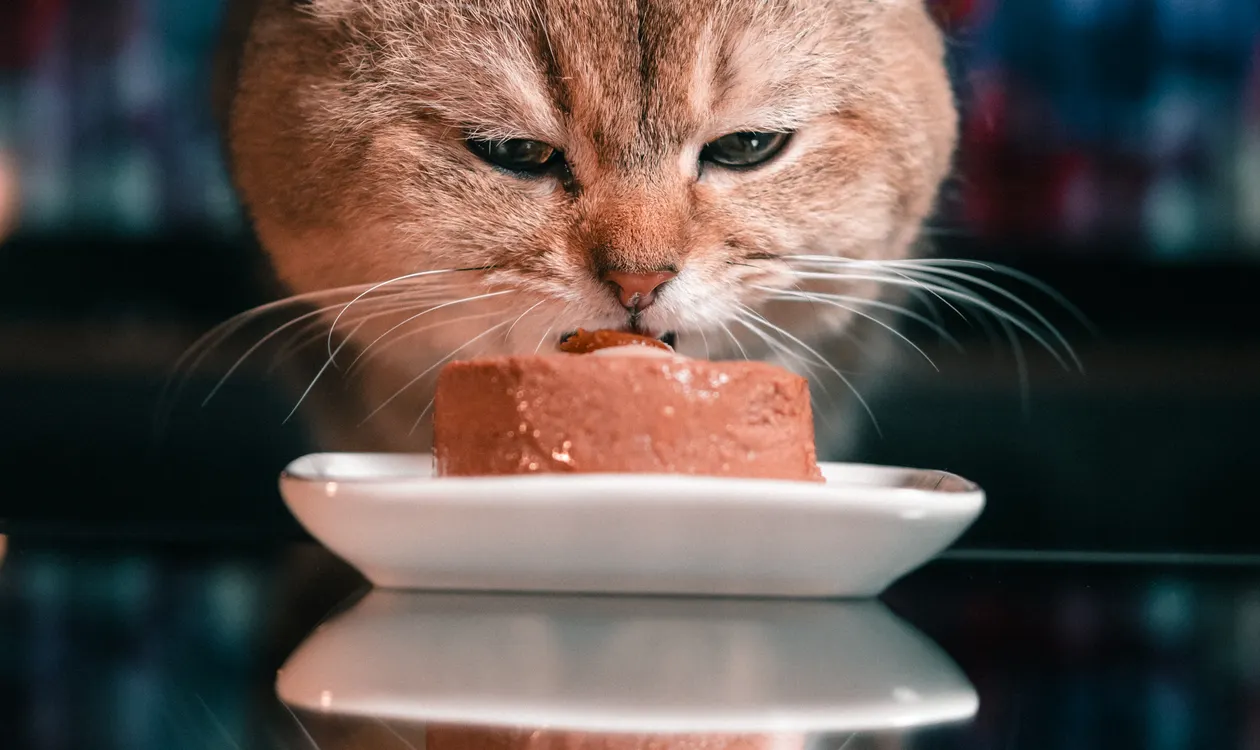
Around a third of UK cats are overweight, and even a small excess of weight raises the risk of diabetes, arthritis and urinary problems. Safe weight loss for cats is always slow and vet-guided, since rapid weight loss can trigger a dangerous condition called hepatic lipidosis. This guide covers how to assess your cat’s weight, what a safe weight-loss plan looks like, and practical ways to increase activity.
Is Your Cat Actually Overweight?
Weight alone isn’t the full picture, since a healthy weight varies by breed, age and frame size. Body condition score is a more reliable check:
| Score | What You’ll Feel and See |
|---|---|
| Underweight | Ribs, spine and hip bones easily visible, minimal body fat |
| Ideal | Ribs easily felt with light pressure, a visible waist when viewed from above |
| Overweight | Ribs felt only with firm pressure, waist barely visible, some belly rounding |
| Obese | Ribs difficult to feel under a thick fat layer, no visible waist, obvious belly sag |
If you’re unsure how your cat scores, ask your vet at your next visit. They can also rule out a medical cause, since it’s rare, but weight gain occasionally links to an underlying condition rather than diet alone. Our cat health care guide covers other signs worth monitoring at the same time.
Why Cat Weight Loss Must Be Gradual
Never put a cat on a sudden, drastic diet. If a cat stops eating, even for 24 to 48 hours, particularly during a rapid weight loss attempt, it can trigger hepatic lipidosis, a serious and potentially fatal fatty liver condition unique to cats. Safe weight loss is slow and steady, often taking many months to over a year for significantly overweight cats.
Building a Safe Weight Loss Plan
- Get a vet check first — to rule out medical causes and get a target weight and safe calorie goal
- Feed to target weight, not current weight — your vet will calculate the right portion for your cat’s goal weight, not their current one
- Switch gradually, not overnight — mix new and old food over one to two weeks to avoid digestive upset
- Split meals throughout the day — several smaller meals tend to work better than one or two large ones
- Monitor weight regularly — weekly weighing helps you and your vet track progress and adjust as needed
A safe rate of loss is typically around 0.5 to 2 percent of body weight per week. Faster loss than this needs a vet check, as does any noticeable drop in appetite during the process.
Increasing Activity Safely
- Use puzzle feeders or scatter food around the home to encourage natural hunting behaviour
- Schedule short, regular play sessions rather than expecting spontaneous activity
- Rotate toys regularly, since cats lose interest in the same toy quickly
- For multi-cat households, feed the overweight cat separately to prevent food stealing or overeating
Multi-Cat Households: A Common Challenge
Managing one cat’s weight is harder when other cats share food access. Feed the overweight cat in a separate room, remove any uneaten food from other cats promptly, and consider a microchip-activated feeder if one cat consistently steals another’s portions.
Health Risks of Untreated Obesity
- Type 2 diabetes, which can sometimes go into remission with successful weight loss
- Arthritis and joint strain from carrying excess weight
- Urinary tract problems, including cystitis
- Reduced grooming ability, sometimes leading to a matted or greasy coat
- Breathing difficulties, particularly in flat-faced breeds such as Persians
These risks make weight management a genuine welfare issue, not just an appearance concern. If your cat’s litter box habits change during this process, our litter box guide covers when this needs a vet check.
Frequently Asked Questions
How much weight should a cat lose per week?
A safe rate is roughly 0.5 to 2 percent of body weight per week. Faster loss can be dangerous and should always prompt a vet check.
What should I do if my cat stops eating during a diet?
Contact your vet urgently if your cat goes without food for more than 24 to 48 hours during weight loss, since this can trigger a serious liver condition in cats.
Are anti-obesity medications available for cats?
No anti-obesity medicines are currently licensed for cats in the UK. Weight management relies entirely on diet and activity changes under veterinary guidance.
How do I stop my other cat eating the overweight cat’s food?
Feed cats in separate rooms or use a microchip-activated feeder that only opens for the correct cat, preventing food theft in multi-cat households.
Key Takeaways
- Around a third of UK cats are overweight, increasing risk of diabetes, arthritis and urinary issues
- Weight loss must always be slow and vet-guided to avoid hepatic lipidosis
- Feeding to target weight and splitting meals both support steady, safe progress
- Multi-cat households need separated feeding to manage one cat’s weight effectively
About the Author: This guide was written by the K9 Assistance editorial team, who research UK-based pet care topics to help owners make confident, informed decisions.