

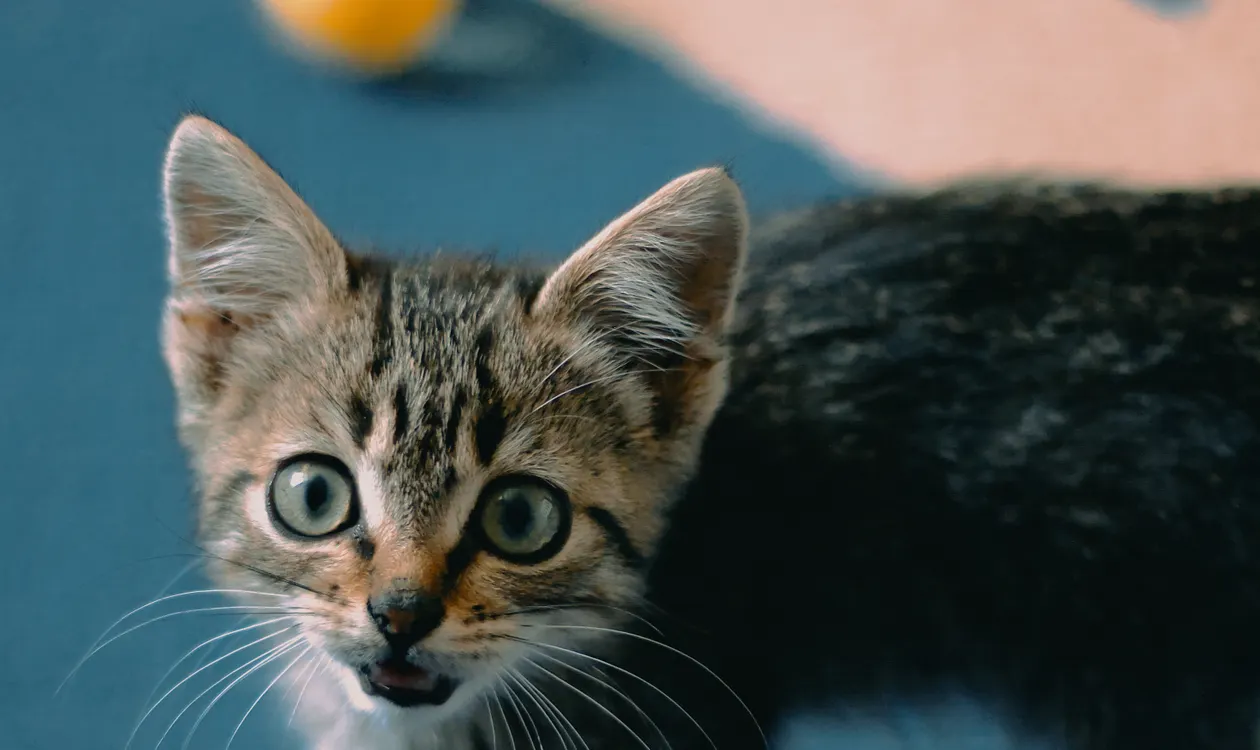
UK kittens typically start core vaccinations at eight to nine weeks, with a second dose three to four weeks later, followed by a booster at one year and then every one to three years depending on the vaccine. Rabies is not part of the routine UK schedule and is only needed for international travel. Even indoor-only cats need core vaccination, since some diseases can be brought inside on clothing or shoes. Pair this with the wider prevention routine covered in our flea and tick prevention guide, since many vets discuss both at the same visit.
The Kitten Vaccination Timeline
| Age | What Happens |
|---|---|
| 8 to 9 weeks | First core vaccination dose |
| 11 to 13 weeks | Second core vaccination dose, completing the primary course |
| 16 weeks (some kittens) | Optional third dose for high-risk or rescue kittens, boosting protection further |
| 1 year | First annual booster |
| Every 1 to 3 years after | Ongoing boosters, timing depends on the specific vaccine and your cat’s lifestyle |
Core Vaccines Explained
- Feline panleukopenia (FPV) — sometimes called feline distemper, causes severe, often fatal vomiting and diarrhoea
- Feline herpesvirus (FHV-1) — one of the main causes of cat flu, affecting the eyes and respiratory system
- Feline calicivirus (FCV) — another cat flu-related virus, causing mouth ulcers and respiratory symptoms
- Feline leukaemia virus (FeLV) — often given as a default for kittens, since it suppresses the immune system and lifestyle plans can change; some vets drop it for cats confirmed to be fully indoor as adults
Do Indoor-Only Cats Need Vaccinating?
Yes, in most cases. Some viruses, including panleukopenia, can survive on surfaces and be carried indoors on shoes, clothing or other pets, meaning even cats who never go outside carry some risk. Discuss your cat’s specific lifestyle with your vet, since they may adjust the non-core vaccine choices, such as FeLV, based on genuine indoor-only status.
What About Rabies?
Rabies is not required for cats living permanently in the UK and isn’t part of the routine kitten schedule. It becomes relevant only if you plan to travel abroad with your cat, in which case it’s given as part of a pet passport or Animal Health Certificate process, from twelve weeks of age.
Booster Schedule for Adult Cats
Core vaccine immunity lasts different lengths of time depending on the specific disease, which is why cats don’t receive every booster annually. Your vet will explain which diseases are being covered at each visit and keep a record, though it’s worth keeping your own copy of your cat’s vaccination card too, particularly if you switch practices.
What Happens at a Vaccination Appointment
Your vet will typically carry out a general health check alongside the vaccination, since regular visits are a useful opportunity to catch other issues early, including the kind of subtle signs covered in our cat health care guide. Mild tiredness or slight soreness at the injection site is common and normally settles within a day or two.
Cost of Cat Vaccinations in the UK
A kitten primary course typically costs in the range of £60 to £100, with adult boosters usually costing somewhat less. Prices vary by practice and location, and some practices offer wellness plans that spread the cost across the year alongside other routine care such as flea and worm treatment.
Frequently Asked Questions
Do indoor cats really need vaccinations?
Most vets still recommend core vaccination for indoor cats, since some diseases can be carried inside on shoes or clothing, and circumstances can change if a cat later goes outdoors.
How much do cat vaccinations cost in the UK?
A kitten primary course generally costs around £60 to £100, with adult annual boosters typically costing somewhat less, though prices vary by practice.
What happens if I miss my cat’s booster?
Contact your vet as soon as you realise. A short delay usually isn’t a major issue, but a significantly overdue booster may mean the primary course needs to be restarted.
Is FeLV vaccination necessary for my cat?
It is usually given as a sensible default for kittens, since lifestyle isn’t fixed early on. For cats confirmed to be strictly indoor-only as adults, some vets may advise dropping it, based on individual risk.
Key Takeaways
- Kittens need two core vaccine doses, typically at 8 to 9 weeks and 11 to 13 weeks
- Rabies isn’t part of routine UK care and is only needed for travel abroad
- Even indoor-only cats generally benefit from core vaccination
- Booster timing varies by vaccine, so always follow your vet’s specific schedule
About the Author: This guide was written by the K9 Assistance editorial team, who research UK-based pet care topics to help owners make confident, informed decisions.